
Rodent Control in Honolulu, HI
We provide professional rodent control in Honolulu, HI, and this page covers what homeowners and businesses in the area need to know about identifying rodents, understanding the health risks, and how our treatment process works. If you are ready to protect your property, call (808) 784-2847 today.
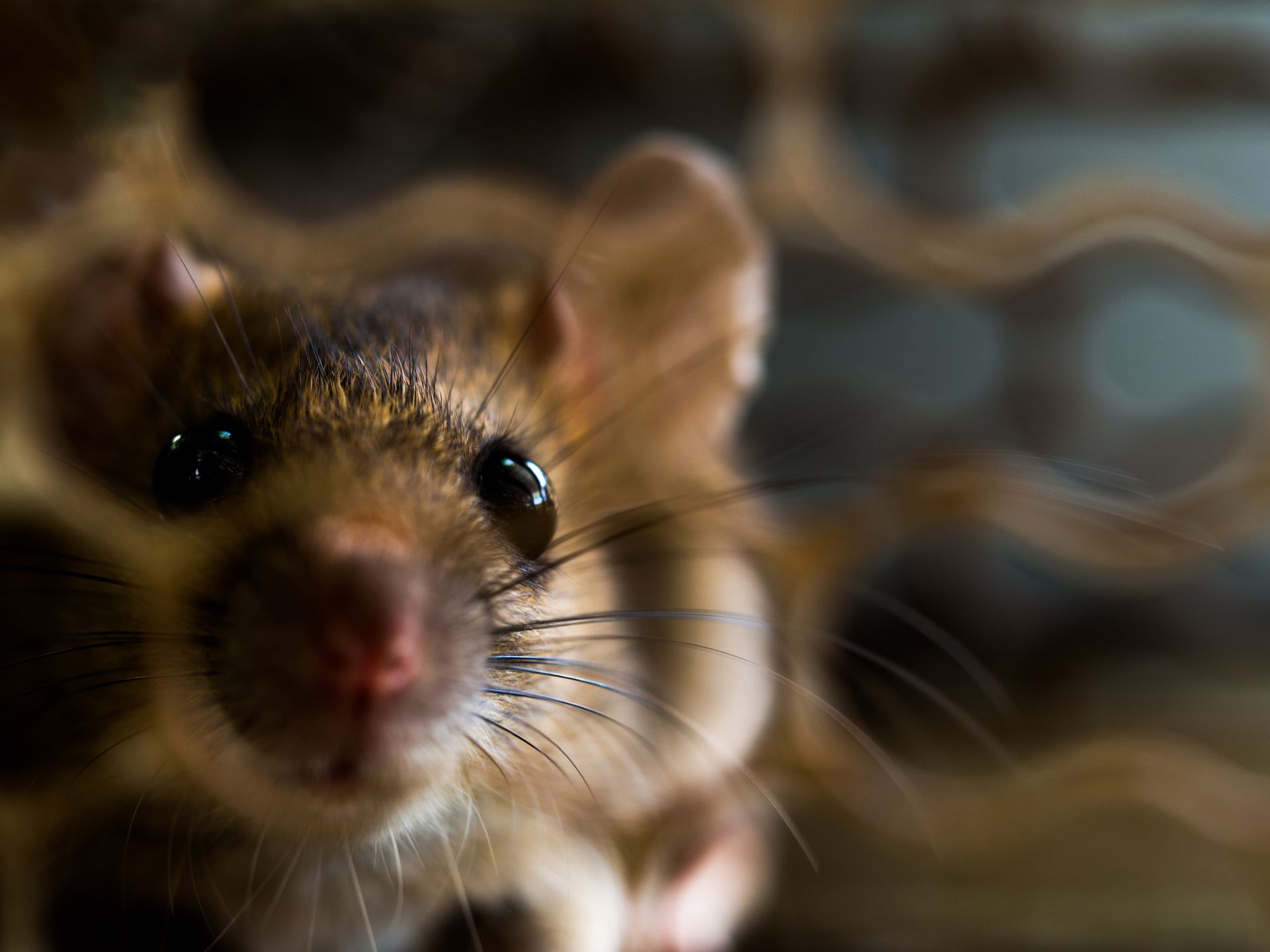
What Types of Rodents Are Common in Honolulu?
Honolulu properties can be impacted by several rodent species, each with different habits and hiding spots. The most common rat species associated with complaints in Hawaii are the roof rat (Rattus rattus) and the Norway rat (Rattus norvegicus). The roof rat is an excellent climber and is found inhabiting trees, roof spaces, and attics. The Norway rat is often found digging and burrowing under structures but is quite capable of climbing. House mice, while smaller, reproduce quickly and can fit through surprisingly tight gaps to access kitchens, pantries, and storage areas.
Knowing which species you are dealing with matters. Roof rats, the most frequent culprit in Honolulu neighborhoods like Manoa, Kalihi, and Pearl City, tend to enter through rooflines, attics, and tree branches that overhang structures. Norway rats are more likely to be found around foundations and ground-level entry points. Proper identification helps determine the right treatment strategy from the start.
Signs You May Have a Rodent Problem
A few clear warning signs can indicate an active infestation:
- Droppings along baseboards, in cabinets, or near food storage areas.
- Damaged objects from gnawing, holes in screens or around pipes, and dirty grease marks along runways.
- Scratching or scurrying sounds in walls or ceilings, especially at night.
- Chewed wiring, insulation, or food packaging.
Why Are Rodents a Health Risk in Hawaii?
Rodents in Hawaii are more than a nuisance. They have the potential to harm people through direct or indirect transmission of disease, and are known to carry at least 10 types of diseases including leptospirosis, murine typhus, and salmonellosis. In addition, they foster parasites such as fleas, lice, and mites. Because Hawaii's warm climate allows rodents to breed year-round, a small infestation can grow quickly if not addressed. Rodents also chew through electrical wiring and structural materials, creating fire hazards and costly property damage.
Exclusion and Baiting Methods for Rodent Control
Effective rodent control in Honolulu, HI, typically combines exclusion and baiting to eliminate the current population and prevent future entry. We use a customized approach based on your specific property and the species involved.
Exclusion focuses on sealing the ways rodents get inside. Common entryways include wide gaps under doors, unscreened ceiling vent holes, unscreened roof gables, gnawed window screens, and holes in walls around sewer and water pipes. Identifying and sealing these points can significantly reduce re-infestation risk after treatment.
Baiting programs use tamper-resistant stations placed in strategic locations around your property. These stations target rodent activity zones while helping protect children, pets, and non-target wildlife. Together, exclusion and baiting form a durable, long-term solution rather than a one-time fix.
Our Rodent Control Process
We keep the process straightforward and transparent. Here is what you can generally expect:
- Free inspection to assess the extent of activity, species present, and entry points on your property.
- Customized treatment plan developed based on your home or business layout, activity level, and any specific concerns.
- Baiting station placement and exclusion work to address active populations and close entry routes.
- Follow-up visit to evaluate results, check stations, and adjust the approach if needed.
- Ongoing prevention guidance so you can reduce the conditions that attract rodents in the first place.
Visit our Google Business Profile to see our client reviews and learn more about us.
Frequently Asked Questions
What Is the Most Common Rodent Problem in Honolulu Homes?
Roof rats are the most frequently reported rodent issue in Honolulu homes. The roof rat is an excellent climber and is found inhabiting trees, roof spaces, and attics, making residential neighborhoods with mature trees especially vulnerable.
How Do I Know if I Need Professional Rodent Control or DIY Methods?
Professional rodent control is typically the better choice when activity is ongoing or widespread. DIY methods may reduce rodents temporarily, but without exclusion work and proper bait placement, re-infestation is common.
Are the Products Used Around My Family and Pets Safe?
We use eco-friendly products and tamper-resistant bait stations designed to minimize risk to people and pets. Our pest control services rely on products that are safe for humans and pets. Your technician will explain exactly what is being used and where.
How Quickly Can a Rodent Infestation Grow?
Rats and mice breed year-round in Hawaii, which means a small problem can expand into a full infestation within weeks without intervention. Acting at the first sign of activity gives you the best chance at a faster resolution.
How Do I Get a Quote for Rodent Control in Honolulu?
We offer free inspections and estimates. Call (808) 784-2847 or submit a request online to schedule a time that works for you. No pricing is committed until a technician has assessed your specific situation.
Protect Your Home With Trusted Local Experts
Pest Tech Hawaii has served the Honolulu, HI, community with over 130 years of combined experience and a commitment to customized, effective pest solutions. Whether you are dealing with roof rats in a Manoa bungalow, Norway rats near a Kalihi commercial property, or house mice in a Pearl City home, our team can help you identify the problem and work toward a lasting solution. Call us at (808) 784-2847 or submit a request online to schedule your free rodent control inspection today.