
Termite Treatment in Honolulu, HI
We bring over 130 years of combined pest control experience to termite treatment in Honolulu, HI. Hawaii's warm, humid climate creates ideal conditions for termite activity across Oahu year-round, and termite pressure can build quietly behind walls and under floors before any visible sign appears. Whether you are noticing something unusual in your home or simply want peace of mind, Our team can inspect, identify, and recommend the right course of action. Call us today at (808) 784-2847 for a free estimate.
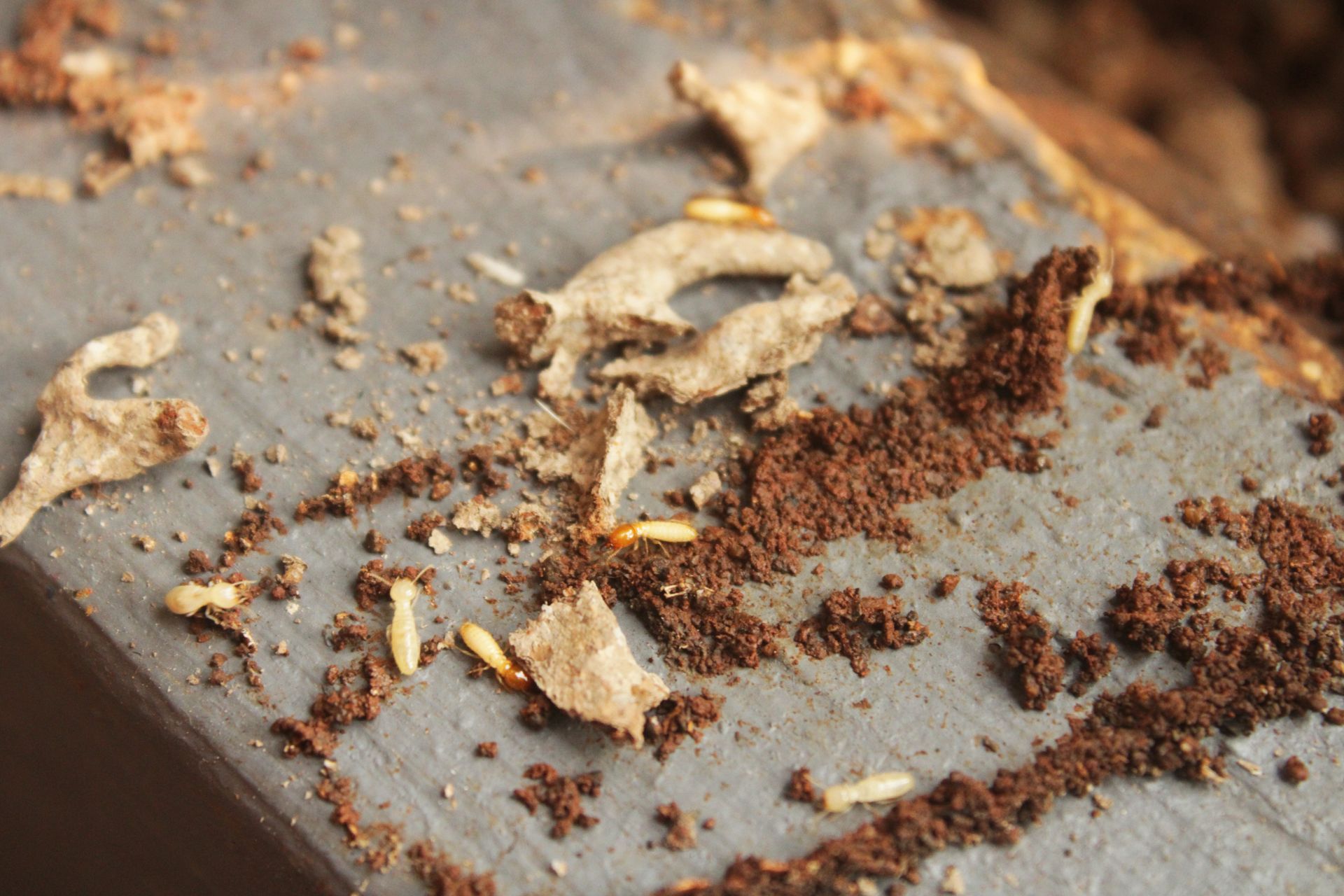
Two Termite Species Honolulu Homeowners Need to Know
Hawaii is home to both drywood and Formosan subterranean termites, and knowing which you are dealing with directly affects treatment.
Drywood Termites live entirely inside the wood they consume, requiring no soil contact or outside moisture. They commonly appear in attics, furniture, trim, and eaves. Small pellet-like droppings near baseboards, windowsills, or door frames are a common early sign.
Formosan Subterranean Termites are considered the single most damaging insect pest to homes and structures in Hawaii. Colony sizes can reach into the millions, and significant damage often occurs before any evidence is discovered. Unlike drywood termites, they do not leave frass or kick-out holes. Their primary indicator is mud tubes along foundations, wall voids, or masonry bridging soil to wood.
If you are unsure which species is active, our professional inspection can identify the evidence and determine the right termite treatment path.
Tenting vs. Orange Oil vs. Termidor — Which Is Right for Your Honolulu Home?
Tenting (Fumigation) is a whole-structure treatment for widespread drywood termite infestations. Fumigation penetrates every piece of wood, reaching termites hidden deep inside structural members. It requires vacating the home during treatment.
Orange Oil is a localized option for drywood termites derived from orange rinds. It works best when activity is identifiable and accessible, and is not used for subterranean termites.
Termidor (liquid soil treatment) targets Formosan subterranean and other ground-dwelling termites. Its non-repellent transfer effect works against underground colonies. Subterranean termites require soil trenching with liquid termiticides or in-ground bait stations. Tenting and orange oil do not address them.
What Our Termite Treatment Process Looks Like
- Free Inspection and Assessment: Our technician inspects accessible areas, identifies termite species, and documents activity or damage.
- Treatment Recommendation: We recommend the method best suited to your species, infestation scope, and property.
- Treatment Application: Our team applies spot treatment, liquid soil application, or fumigation using current products and techniques.
- Follow-Up and Documentation: We provide documentation of completed work and, where applicable, a warranty.
- Ongoing Protection Planning:
We discuss prevention measures and inspection schedules to reduce future risk.
Check our Google Business Profile to see our clients' reviews and learn more about us.
Signs You May Have a Termite Problem
Watch for these warning signs and contact us promptly if you spot them.
- Small pellet-like droppings (frass) near wood surfaces, windowsills, or baseboards.
- Mud tubes along your foundation, concrete blocks, or exterior walls.
- Wood that sounds hollow when tapped or feels soft under pressure.
- Discarded wings near windowsills, doors, or light sources after a swarm.
- Paint that appears bubbled or blistered without an obvious moisture source.
- Doors or windows that previously opened easily now stick or fit tightly.
Hawaii's climate means termite swarms can occur throughout much of the year. Annual or biannual inspections can help catch activity before structural damage accumulates, and addressing termite treatment early is always more cost-effective than dealing with damage after it spreads.
Frequently Asked Questions
How Often Should I Have My Honolulu Home Inspected for Termites?
We commonly recommend annual inspections in Hawaii. Given year-round activity from both drywood and Formosan subterranean termites, regular checks can identify problems before they become costly repairs. Properties with a history of termite activity may benefit from more frequent visits.
What Is the Difference Between Drywood and Subterranean Termite Treatment?
Drywood termites live inside wood, and we treat them with orange oil or whole-structure fumigation. Subterranean termites live underground and require soil-targeted treatments such as liquid termiticides or bait systems. Correct species identification is essential to choosing the right approach.
Do I Have to Leave My Home During Termite Treatment?
It depends on the method. Tenting requires vacating the property for a set period. Localized spot treatments or liquid soil applications typically do not. One of our technicians will explain what preparation your specific treatment involves.
How Do I Know if My Problem Is Drywood or Subterranean?
Drywood termites leave pellet-like frass and create smooth galleries across the wood grain. Subterranean termites leave mud tubes along walls or bridging masonry between soil and wood. Our professional inspection can confirm the species.
Do We Offer Free Estimates?
Yes, we provide free inspections and take on both large and small projects. Contact us to schedule your visit.
Contact Pest Tech Hawaii for Termite Treatment in Honolulu
Pest Tech Hawaii is a locally owned, family-oriented pest control company serving Honolulu and the surrounding area. Whether you are seeing signs of drywood activity in your attic or suspect subterranean termites near your foundation, our team can inspect, identify, and treat the problem with proven methods. To discuss a termite treatment plan tailored to your property, call us at (808) 784-2847 or request a free estimate online.